GiorginoLab
A Computational Biophysics Laboratory

The PI in 2004...
Our research focuses on the application of computational models to biology and medicine, at various scales, to characterize genotype-phenotype and protein-drug interactions, making extensive use of molecular dynamics and statistical methods. Our background includes statistical physics, software engineering, and high-performance computational architectures.
People
The lab is led by Toni Giorgino, senior researcher at CNR-IBF. See the group for members and alumni, and Join us if you would like to join.
We are part of the Institute of Biophysics of the Italian National Research Council (CNR-IBF), hosted by the Department of Biosciences of the University of Milan.
Research
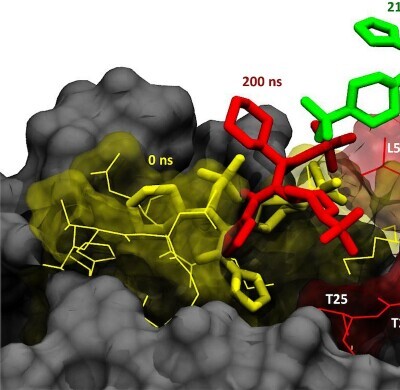
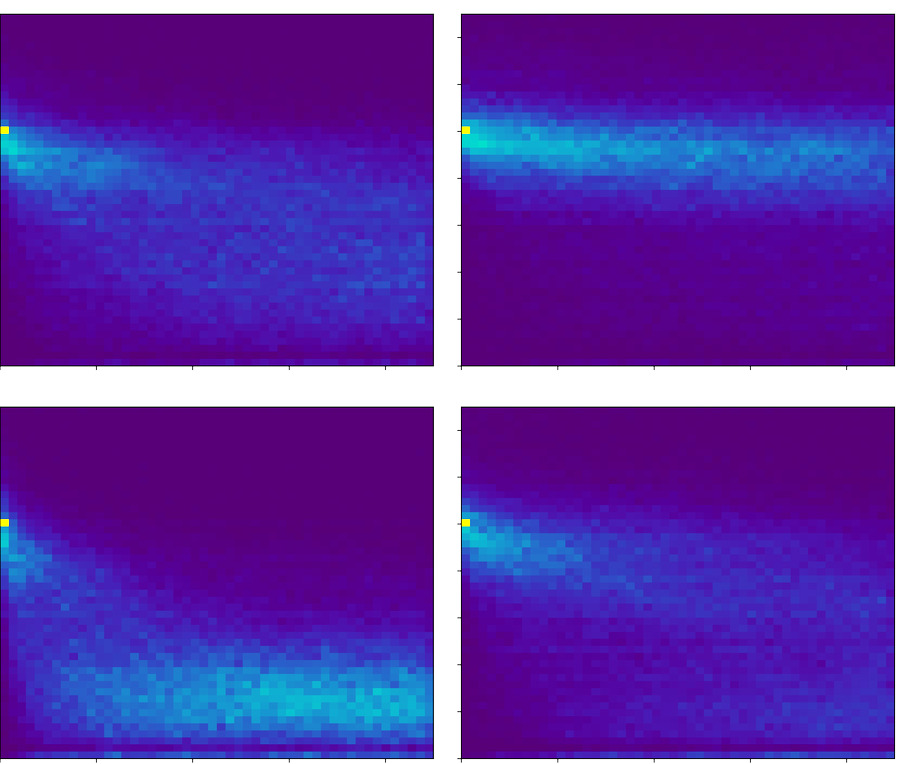
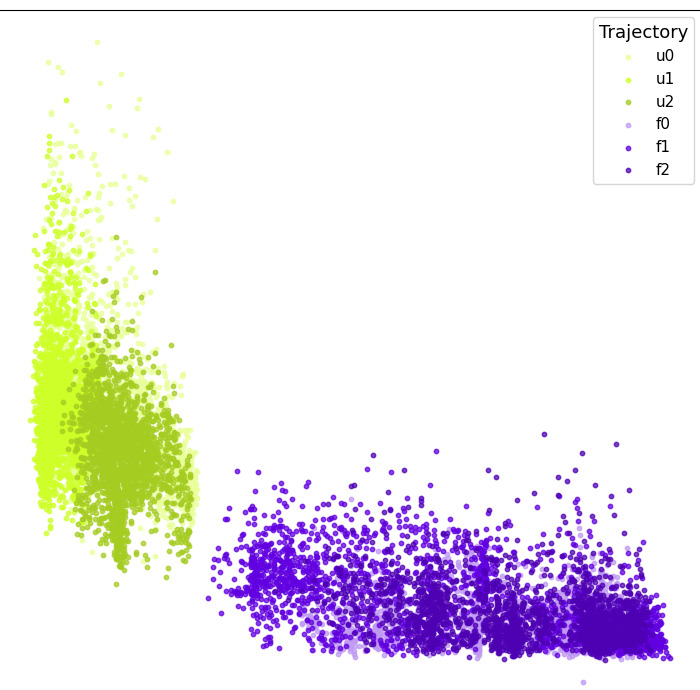
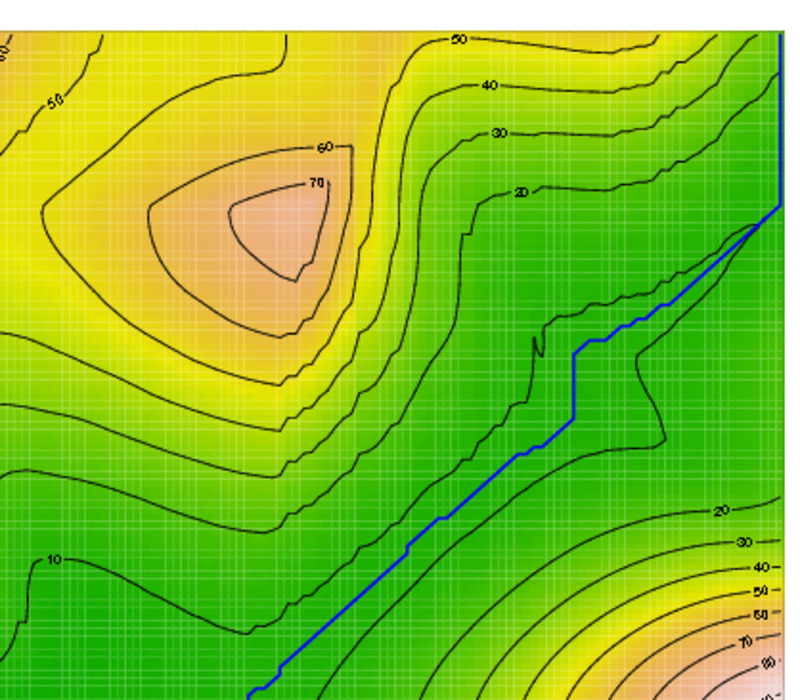
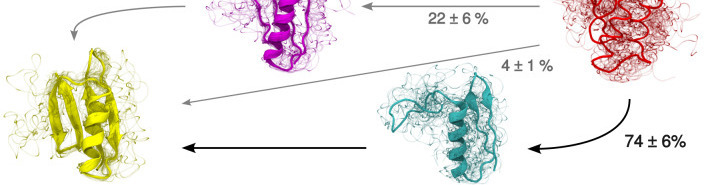
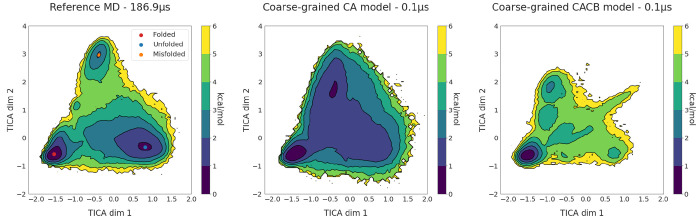
Figures from our papers in NAR 2022 (CC BY-NC), Sci Data 2024 (SI), Nat Commun 2023 and JCTC 2021 (CC BY), cropped, and from the DTW and MDIntrinsicDimension documentation.
- The geometry of protein motion. Intrinsic dimension and collective variables to describe, compare and bias the dynamics of macromolecules. JCIM 2026 · JOSS 2019
- GPCR dynamics and allostery. Large-scale simulations of G protein-coupled receptors to map their conformational dynamics, cryptic allosteric sites and lipid entry gateways. Nat Methods 2020 · Nat Commun 2025
- Machine learning and large MD datasets. Simulation datasets and deep-learning frameworks for data-driven biophysics, including machine-learned coarse-grained potentials. Sci Data 2024 · Nat Commun 2023
- Binding, misfolding and disease. Drug binding and unbinding pathways, amyloidogenic variants and the structural impact of mutations, together with experimental collaborators. NAR 2022 · CSBJ 2021
- Computational statistics. Alignment methods for time series (dynamic time warping) and prognostic models for clinical outcomes. JSS 2009 · Leukemia 2017
More on the research page.
Contact
- E-mail: first name dot last name at cnr.it
- Department of Biosciences, University of Milan, Via Celoria 26, 20133 Milan, Italy
- Publications · Google Scholar · GitHub · Mastodon
News
| Nov 01, 2026 | The lab website has a new look and a new home on GitHub Pages. |
|---|